It is possible to be grateful for Christmas gifts and still feel exhausted by the amount of stuff that enters the house in December. Toys overflow, closets fill up, and some presents barely make it past January before becoming clutter.
A meaningful gift does not have to be sentimental, homemade, or expensive. It just needs to add something the person will actually value—time, ease, connection, learning, memory, or a genuinely useful object.
Before You Buy: Ask What You Want the Gift to Add
Instead of starting with a product, start with the outcome. Do you want to give the person more time with family? Make a hard season easier? Support a hobby? Preserve a memory? Give the kids something to look forward to?
This question immediately removes a lot of random shopping from the list.
Meaningful Experience Gifts for Families
1. A membership they will realistically use
Children's museums, zoos, aquariums, botanical gardens, science centers, and local attractions can work well when the location is close enough for ordinary weekends—not only a special trip.
Include the practical details in the card: where it is, how long the membership lasts, and what the first planned visit could be.
2. A class connected to a real interest
Think pottery, dance, cooking, music, gymnastics, swimming, art, coding, or a parent-child class. Do not choose an aspirational hobby for someone who has never shown interest in it.
3. Tickets with a date attached
Concerts, children's theater, sports, holiday shows, or a local event feel more real when you choose the date rather than handing over a vague promise.
4. A one-on-one day
For grandparents, godparents, aunts, uncles, or parents with multiple children, dedicated time can be a powerful gift. Make it concrete: breakfast plus the library, a train ride, mini golf, baking day, or a museum trip.
Gifts That Preserve Family Stories
5. A small family photo book
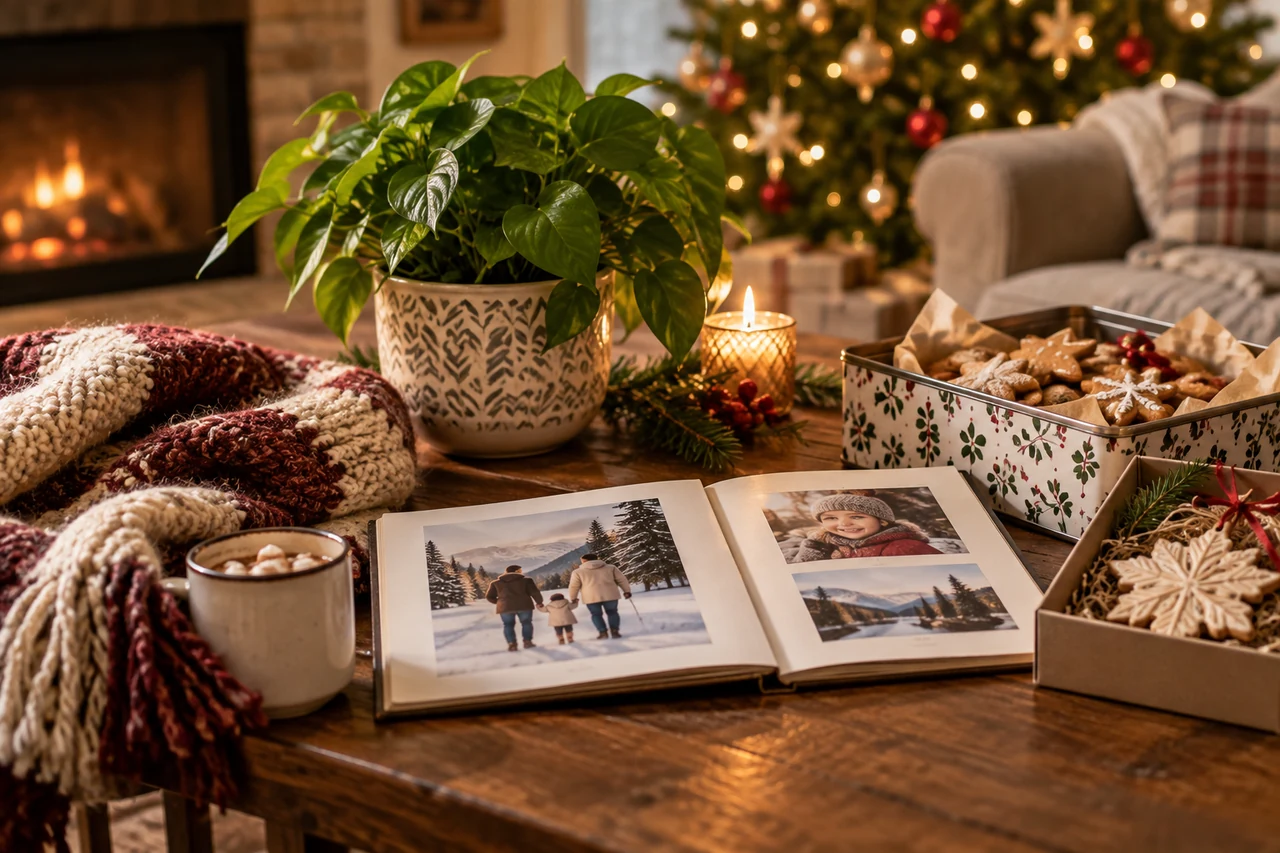
Do not wait for a professional album. A simple book of ordinary photos—bedtime, vacations, pets, grandparents, messy breakfasts—often becomes more meaningful because it reflects actual family life.
6. A recorded grandparent interview
Create a short list of questions about childhood, first jobs, family traditions, favorite meals, school, holidays, and people they remember. Record the conversation with permission and save a copy in more than one place.
7. A handwritten recipe collection
Ask relatives for the recipes people request every year. Include notes such as "Grandma doubles the cinnamon" or "Dad makes this on Christmas Eve." Those details turn instructions into family history.
8. A memory box with a clear purpose
Instead of a generic decorative box, label it for a specific kind of memory: first-year school papers, family Christmas cards, letters between parent and child, or vacation keepsakes.
Meaningful Gifts That Make Daily Life Easier
9. A paid service the recipient already needs
House cleaning, grocery delivery, lawn care, meal delivery, babysitting, dog walking, or a car detail can be deeply appreciated during a demanding season.
Make sure the gift does not create extra administrative work. Paying for one specific service is often kinder than giving a certificate that expires or requires complicated booking.
10. A freezer-meal day
For new parents, caregivers, or families in a busy season, prepare meals they actually eat and label them clearly with reheating instructions. Ask about allergies and preferences first.
11. A “morning off” or “afternoon off” voucher
This works when the giver is someone trusted to provide childcare or take over a responsibility. The meaningful part is following through and putting a date on the calendar.
Gifts That Encourage Connection at Home
12. A family game night kit
Choose one age-appropriate game, a snack, and a date for the first game night. One excellent game that gets played is more meaningful than a shelf of unopened boxes.
13. A monthly “choose the dinner” card set
For children, create twelve cards that let them choose a meal, dessert, picnic, or themed dinner each month. The gift is partly autonomy and partly recurring family time.
14. A read-together series
Give the first two or three books rather than the entire series, plus a note that you will read together. For older children, this can become a parent-child book club.
15. A family project
A raised garden bed, birdhouse, big puzzle, model, beginner sewing project, or photo-wall project gives you something to make together. Match the complexity to the youngest person who will participate.
Meaningful Gifts for Kids That Are Still Physical Gifts
“Not just stuff” does not mean children should never receive objects. The goal is to choose objects that earn their place.
16. A tool for something they already love
Better art paper for the child who draws daily. A child-size baking tool for the kid who always helps cook. Binoculars for a nature-obsessed child. A real sketchbook for the one filling printer paper with comics.
17. One excellent open-ended toy
Blocks, pretend-play figures, art materials, a sturdy vehicle, or other open-ended toys can support many kinds of play. For toddlers, always follow age labels and check for choking hazards, accessible button batteries, and loose high-powered magnets.
18. Something that belongs to a family ritual
A child's own pancake spatula for Saturday breakfast, a flashlight for evening walks, gardening gloves for spring planting, or a special mug for cocoa can make the object part of a repeated memory.
19. A high-quality replacement for something worn out
A new backpack, lunch bag, robe, water bottle, headphones, or art case can feel special when it replaces something the person already uses constantly.
Gifts That Help a Child Give, Not Only Receive
20. A small giving budget
Give the child a set amount to donate, then help them choose a cause. Younger kids may understand this more easily when the cause is concrete, such as an animal shelter wish list or local food drive.
21. A “kindness project” envelope
Include money and a simple challenge: buy groceries for a pantry, choose a toy for a giving tree, make cards for nursing-home residents, or fund a classroom request together.
The key is doing it with the child rather than turning generosity into homework.
Gifts for Grandparents and Older Relatives Who Say They Need Nothing
22. A recurring photo delivery
Set up a monthly printed-photo envelope or digital frame contribution. The recurring nature matters more than handing over one perfect family portrait.
23. A family calendar with useful dates
Include birthdays, school breaks, trips, and a few candid photos. Leave writing space so it remains functional.
24. Digitized family photos or home videos
Organize old media into clearly labeled folders, back it up, and give the person an easy way to view it. This is one of those projects people value but often postpone indefinitely.
Meaningful Gifts for a Partner
25. Remove a recurring burden
Take ownership of one task for a defined period: school lunches for January, Sunday meal planning, car maintenance, laundry folding, or bedtime cleanup. A gift should not be a promise that disappears after three days.
26. Plan the date, not just the idea
If the gift is a date night, book the reservation, arrange childcare, and put it on the calendar. Logistics are part of the gift.
27. Create a “year of small dates” list
Keep it realistic: coffee walk, bookstore visit, takeout after bedtime, free museum day, picnic, movie at home. The point is repeated connection, not twelve expensive events.
Consumable Gifts That Do Not Become Clutter
- Favorite coffee, tea, spices, olive oil, chocolate, or baking ingredients
- Art supplies that will actually be used
- Bath or self-care products the recipient already likes
- Garden seeds or bulbs for someone who gardens
- Movie snacks, bookstore credit, or local bakery treats
- A subscription with a clear end date rather than an open-ended expense
How to Make an Experience Gift Feel Like a Real Christmas Present
Children especially may struggle with an invisible gift. Give them something small that represents the experience: a zoo map with the membership, a swim bag with class registration, popcorn with movie tickets, or a train ornament with the trip date.
You are not adding clutter for the sake of it; you are making the idea concrete.
What to Avoid When You Want a Gift to Feel Meaningful
- Do not make the recipient perform gratitude. A sentimental gift can still miss the mark.
- Do not give an experience that creates work. Complicated travel, childcare needs, or hidden costs can turn a gift into a task.
- Do not give self-improvement disguised as generosity. Fitness equipment, organizing systems, or parenting books should match a stated interest, not your opinion about what someone should change.
- Do not assume handmade automatically means meaningful. The value comes from relevance and care, not the production method.
- Do not overschedule a family that is already overwhelmed. Sometimes the best gift is relief.
A Simple Meaningful-Gift Formula
When you are stuck, use this formula:
Something they already value + one specific way to deepen it + fewer logistics for them.
A child who loves animals gets a zoo membership plus a planned first visit. A grandparent who loves family photos gets a small album plus monthly prints. An exhausted parent gets cleaning service already booked for a convenient day.
That is what separates a meaningful gift from a well-intentioned idea.
The Best Gift Does Not Have to Look Impressive Under the Tree
Some of the most valuable gifts are small envelopes, booked dates, repeated rituals, saved stories, or practical help. They may not create the biggest Christmas-morning reaction, but they can continue mattering long after the decorations come down.
If you are simplifying the whole holiday, pair these ideas with our Christmas traditions for kids or create a slower Christmas morning routine built around connection rather than quantity.
Check small parts before a young child plays
For children under 3, keep toys, decorations, and gifts with small parts out of reach and follow the age labeling on anything you buy. Button and lithium coin batteries and high-powered magnets can cause severe internal injury if swallowed, so seek emergency care immediately if a child may have swallowed one. Keep loose strings, cords, and ribbons away from babies and young children.
Sources and further reading
Our editorial review used the following US health authorities: